

Nigeria’s blood supply remains significantly below national demand, raising concerns about the availability of safe blood for patients requiring emergency treatment, childbirth-related care and major surgical procedures.
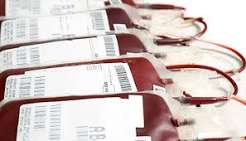
The National Blood Service Agency (NBSA) has revealed that its centres collected only between 24,000 and 25,000 units of blood in 2025, a figure it considers inadequate for a country with a population exceeding 200 million.
The agency said increasing voluntary, non-remunerated blood donations is essential to building a reliable national blood supply and ensuring patients can access transfusions when needed.
According to the NBSA, at least two per cent of Nigeria’s population needs to donate blood to improve availability and reduce the shortage.
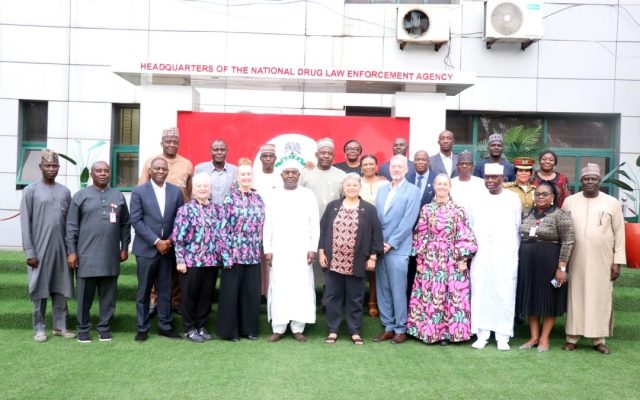
The Director-General of the agency, Prof. Saleh Yuguda, disclosed this during a media roundtable on voluntary blood donation organised in Abuja in partnership with the International Society of Media in Public Health (ISMPH).
Yuguda, who was represented by the Head of the NBSA Operations Centre, Dr Aliyu Dahiru Waziri, said the agency had made efforts to improve blood collection and strengthen transfusion services but continued to face challenges in meeting national demand.
He noted that the number of units collected in 2025 was far below what would be required to serve the country’s large population, stressing the need for more Nigerians to participate in voluntary donation.
Blood transfusion is critical to healthcare delivery, particularly for women experiencing complications during pregnancy and childbirth, accident victims, surgical patients and people living with certain blood disorders.
In emergencies, delays in accessing safe blood can put patients at greater risk and place additional pressure on healthcare workers and their families. Relatives may also be forced to search for donors across different hospitals and blood banks when supplies are unavailable.
Beyond limited collection capacity, misconceptions and social attitudes remain major obstacles to voluntary blood donation.
The Programme Manager for Social and Behaviour Change Communication at ISMPH, Samiru Isa, identified fear of infections, concerns about physical weakness and cultural and religious reservations as some of the factors discouraging Nigerians from donating blood.
He noted that misinformation about the donation process has contributed to reluctance among people who may otherwise be eligible to donate.
To address the challenge, Isa said the media roundtable was designed to strengthen cooperation between journalists and health stakeholders while improving public access to accurate information.
The event also featured the inauguration of the Media Cell for Safe Blood, an initiative expected to support responsible health reporting, promote public awareness and encourage wider participation in voluntary blood donation.
The initiative is aimed at helping Nigerians better understand the importance and safety of blood donation while supporting efforts to improve the country’s blood supply.