

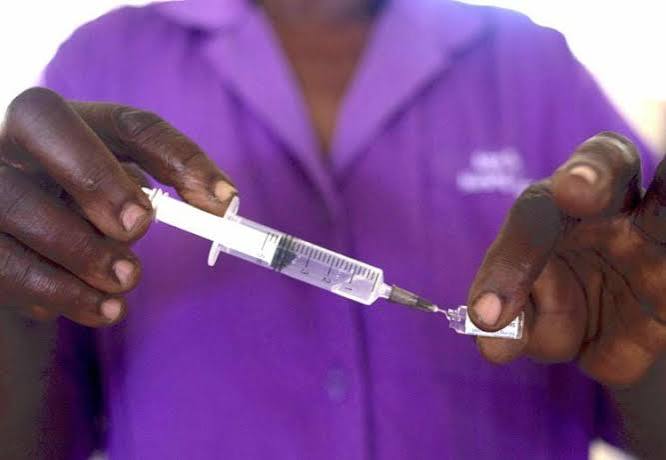
Rwanda has commenced Africa’s first Phase 1b clinical trial of a long-acting injectable drug designed to provide extended protection against malaria, marking a significant development in efforts to combat the disease.
The trial involves MMV371, an experimental malaria prevention drug being developed by Medicines for Malaria Venture (MMV), a nonprofit organisation focused on antimalarial drug research, in partnership with Rinda Ubuzima, a Rwandan health research organisation.
The study represents the first Phase 1 trial of a long-acting injectable malaria prevention drug to be conducted in Africa.
If proven safe and effective, the drug could provide another preventive option alongside existing interventions such as mosquito control, malaria vaccines and preventive medicines.
According to the World Health Organisation (WHO), malaria caused more than 280 million cases and over 600,000 deaths worldwide in 2024, with Africa accounting for approximately 95 per cent of the fatalities.
Despite decades of progress in malaria prevention and treatment, the disease remains a major public health challenge across the continent.
The growing threat of resistance to antimalarial medicines, changing weather patterns linked to climate change and weaknesses in healthcare systems have further increased the need for new prevention and treatment solutions.
MMV said the development of long-acting injectable medicines could help address these challenges by providing sustained protection against malaria through a single administration.
The ongoing Phase 1b trial builds on earlier clinical studies conducted in the United Kingdom, where MMV371 was reportedly well tolerated among healthy adults and demonstrated the potential to provide protection against malaria for approximately three months.
The latest study will assess the drug’s safety and tolerability among adults and adolescents in Rwanda. Researchers will also examine its effectiveness and how the body absorbs and processes the compound.
Speaking on the development, MMV Chief Executive Officer, Dr Martin Fitchet, said new prevention technologies would be essential to achieving global malaria elimination.
He explained that long-acting injectable medicines could improve malaria prevention by providing extended protection through a single dose, particularly for communities facing a high risk of infection.
Fitchet added that such innovations would complement existing efforts to expand access to malaria prevention and treatment services.
The partnership also highlights the increasing involvement of African research institutions in developing medical interventions for diseases that disproportionately affect the continent.
Executive Director of Rinda Ubuzima, Marie Michele Umulisa, said the study demonstrated the importance of partnerships that allow African scientists and research organisations to contribute directly to developing healthcare solutions.
She noted that conducting the trial in Rwanda would strengthen local scientific capacity while allowing African researchers to participate in research that could benefit vulnerable communities.
The collaboration is also expected to contribute to the growth of clinical research in malaria-endemic countries, ensuring that new medicines are evaluated in the regions where they are most needed.
While the development offers renewed hope for malaria prevention, researchers say the success of MMV371 will depend on the outcome of ongoing clinical trials, particularly its safety, tolerability and ability to provide sustained protection against infection.