
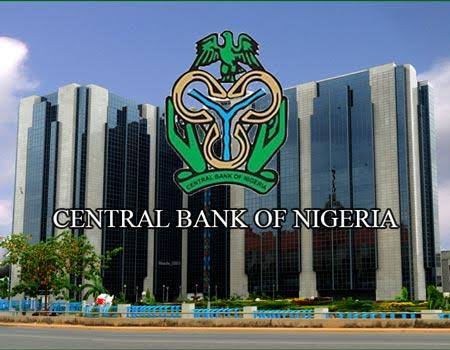
The Central Bank of Nigeria has directed banks and other financial institutions across the country to immediately freeze accounts linked to individuals and entities suspected of involvement in terrorism financing.
The directive forms part of Nigeria’s ongoing efforts to strengthen its anti-money laundering and counter-terrorism financing framework, in line with domestic laws and international financial regulations.
According to the directive, all affected financial institutions are required to identify and place restrictions on accounts associated with designated individuals or organizations named by the relevant authorities.
The order also requires banks to ensure that no transactions are carried out on the affected accounts until further directives are issued.
The CBN said the measure is intended to prevent the movement of funds that could allegedly be used to support terrorist activities or related criminal operations.
The latest action is part of broader efforts by Nigerian authorities to disrupt financial networks that may be linked to terrorism, violent extremism, and organized crime.
Financial regulators have increasingly emphasized the importance of monitoring suspicious transactions, strengthening customer due diligence, and complying with anti-money laundering regulations.
Experts say cutting off access to financial resources is considered one of the most effective ways of weakening terrorist organizations and preventing the financing of unlawful activities.
Commercial banks, microfinance banks, payment service providers, and other regulated financial institutions have been directed to comply with the order without delay.
Failure to comply with regulatory directives could expose financial institutions to sanctions under Nigeria’s banking and financial laws.
The CBN also urged institutions to continue reporting suspicious transactions to the appropriate regulatory and security agencies.
Legal experts note that account-freezing orders are administrative measures designed to prevent the movement of funds during investigations and do not, on their own, constitute proof of criminal guilt.
Individuals or organizations affected by such directives retain legal rights under Nigerian law, including the opportunity to challenge the designation or seek appropriate legal remedies where applicable.
Authorities are expected to continue investigations while working with law enforcement and intelligence agencies.
The directive comes as Nigeria continues to enhance its financial intelligence systems to combat terrorism financing, money laundering, and other illicit financial activities.
The government has repeatedly pledged to improve compliance with international standards set by global financial watchdogs while safeguarding the integrity of the country’s financial system.
Analysts say stronger regulatory oversight is essential to maintaining investor confidence and protecting the banking sector from abuse.
Banks are expected to implement the directive immediately and report compliance to the relevant regulatory authorities.
Meanwhile, security and financial intelligence agencies are likely to continue investigations into the accounts and individuals concerned.
Authorities have indicated that further actions will depend on the outcome of ongoing investigations and applicable legal processes.