


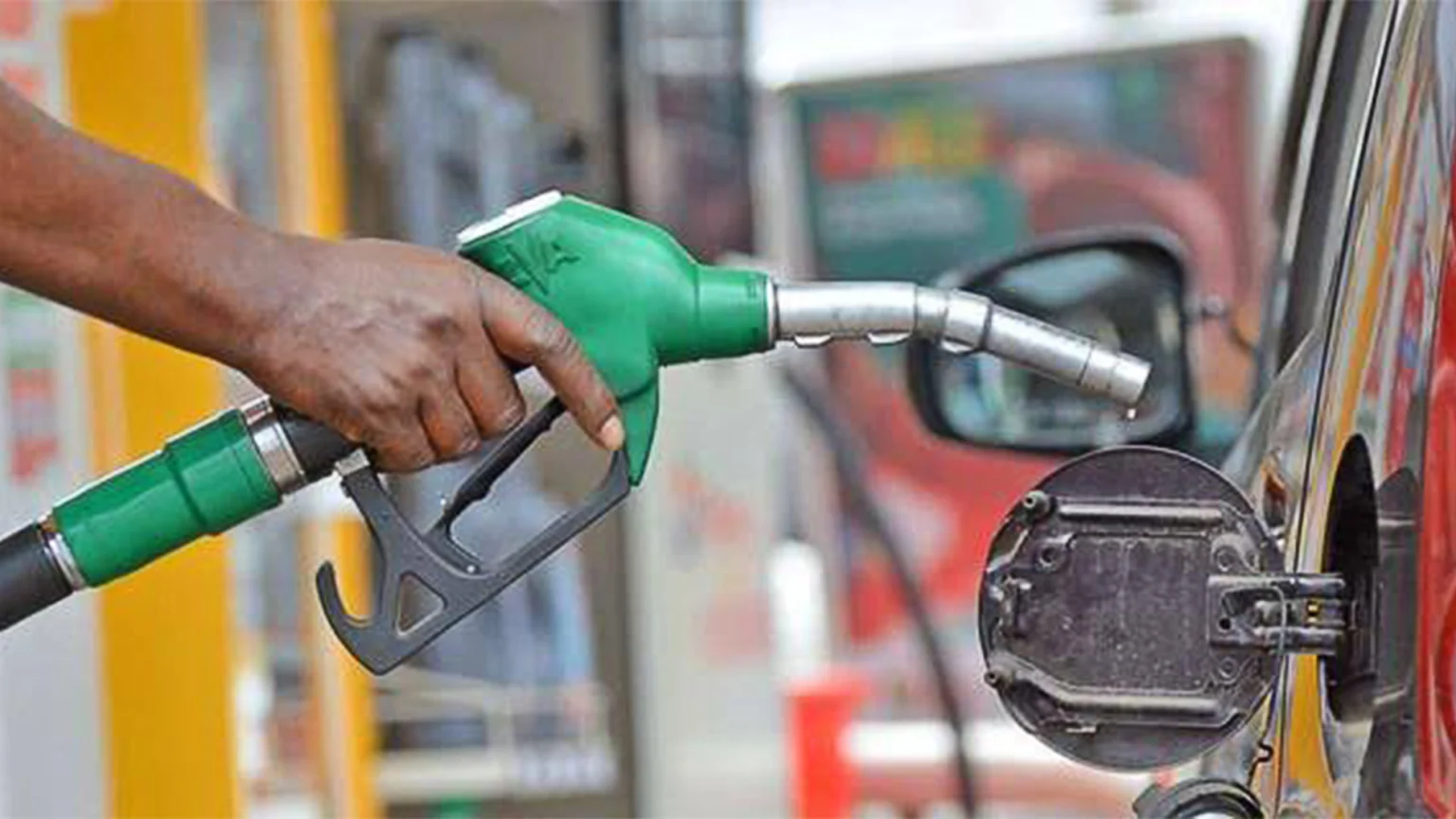
Despite a sharp decline in global crude oil prices to around $73 per barrel, Nigerians are yet to experience significant relief at the pumps as petrol prices remain elevated across the country.
The development has sparked renewed concerns among consumers and businesses, many of whom expected lower fuel prices following the recent drop in international oil markets.
Global oil prices have declined in recent days amid easing geopolitical tensions in the Middle East and growing concerns about global demand.
Brent crude, the international benchmark, retreated to approximately $73 per barrel after previously trading at much higher levels during periods of heightened uncertainty.
Ordinarily, lower crude oil prices would be expected to reduce the cost of refined petroleum products. However, industry analysts say several domestic factors continue to keep petrol prices high in Nigeria.
Experts point to exchange rate pressures, logistics costs, taxes, distribution expenses, and refinery-related challenges as major reasons why petrol prices have not dropped in line with international crude prices.
The deregulation of Nigeria’s downstream petroleum sector also means that marketers now determine prices based on multiple market factors rather than crude oil prices alone.
As a result, fluctuations in crude prices do not always translate immediately into lower pump prices.
Industry stakeholders note that the value of the naira remains a crucial factor in determining the final landing cost of imported fuel and other petroleum products.
The continued high cost of petrol is placing additional pressure on households and businesses already grappling with rising living costs.
Transportation fares, food prices, and operating expenses for small businesses remain closely tied to fuel costs, making petrol prices one of the most closely watched indicators in the economy.
Many Nigerians had hoped that the decline in crude prices would trigger a reduction in pump prices and provide some relief from inflationary pressures.
Oil marketers argue that pricing adjustments often lag behind movements in global crude markets.
According to industry operators, existing inventories purchased at higher costs, exchange rate fluctuations, and supply chain expenses must first be absorbed before any substantial reduction can be reflected at filling stations.
They also warn that crude prices remain volatile and could rise again depending on global economic conditions and geopolitical developments.
Analysts say a sustained decline in crude oil prices, combined with a more stable exchange rate and improved domestic refining capacity, could eventually create room for lower petrol prices.
For now, however, consumers are likely to continue paying current rates while market participants monitor developments in both the international oil market and Nigeria’s domestic petroleum sector.
The situation highlights the complex relationship between global crude prices and local fuel costs in a deregulated market environment.