

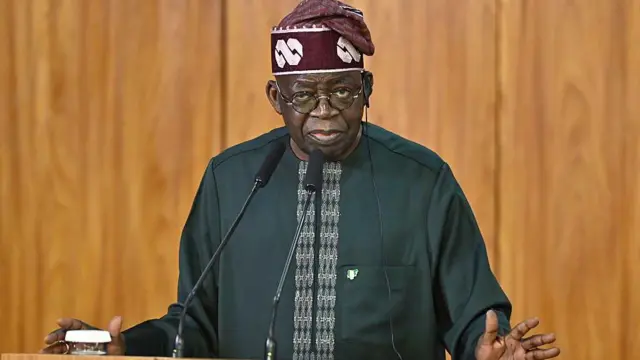
Key stakeholders across Nigeria’s business, financial, and policy sectors have expressed support for President Bola Ahmed Tinubu’s tax reform agenda, while urging the Federal Government to intensify public sensitization efforts to ensure Nigerians fully understand the objectives and benefits of the proposed changes.
The endorsement comes as the administration continues to push forward with sweeping tax reforms aimed at simplifying the tax system, improving revenue generation, reducing multiple taxation, and creating a more business-friendly environment.
Stakeholders argue that while the reforms have the potential to strengthen Nigeria’s fiscal framework and stimulate economic growth, many citizens and businesses remain unclear about how the new measures will affect them.
Business leaders and economic experts have described the proposed tax reforms as an important step toward modernizing Nigeria’s revenue system and reducing inefficiencies that have long hindered economic development.
According to supporters, the reforms could help broaden the tax base, improve compliance, attract investment, and provide government with more sustainable sources of revenue for infrastructure and social development.
They also noted that a simplified tax structure could ease the burden on businesses, particularly small and medium-sized enterprises (SMEs), which often struggle with overlapping taxes and regulatory requirements.
Despite their support, stakeholders emphasized that successful implementation will depend heavily on public understanding and acceptance.
Many have called on the government to launch extensive awareness campaigns across the country, explaining the details of the reforms, addressing misconceptions, and clarifying how the changes are expected to benefit ordinary Nigerians.
Experts warn that without adequate communication, misinformation and public skepticism could undermine confidence in the reform process.
The Tinubu administration has repeatedly argued that tax reform is essential to strengthening public finances and reducing dependence on borrowing and volatile oil revenues.
Analysts believe the reforms could play a significant role in improving Nigeria’s fiscal sustainability if accompanied by transparency, accountability, and visible improvements in public service delivery.
However, some observers maintain that citizens will be more willing to embrace tax reforms if they see tangible evidence that government revenues are being used effectively.
Tax reform remains one of the most significant economic initiatives of the current administration. Support from stakeholders suggests growing confidence in the government’s approach, but calls for greater public awareness highlight the need to carry citizens along during the implementation process.
Stakeholders have broadly endorsed President Tinubu’s tax reform agenda, they insist that comprehensive public education and engagement will be critical to ensuring the reforms achieve their intended objectives and gain widespread acceptance.