

The Federal Government and state governments have pledged to strengthen cooperation at the grassroots level to tackle malnutrition and improve access to essential nutrition services across Nigeria.
The initiative is designed to translate national nutrition policies into practical results for communities and households, particularly for children and pregnant women. It will involve coordinated interventions across healthcare, education, agriculture, water supply, sanitation and social protection.
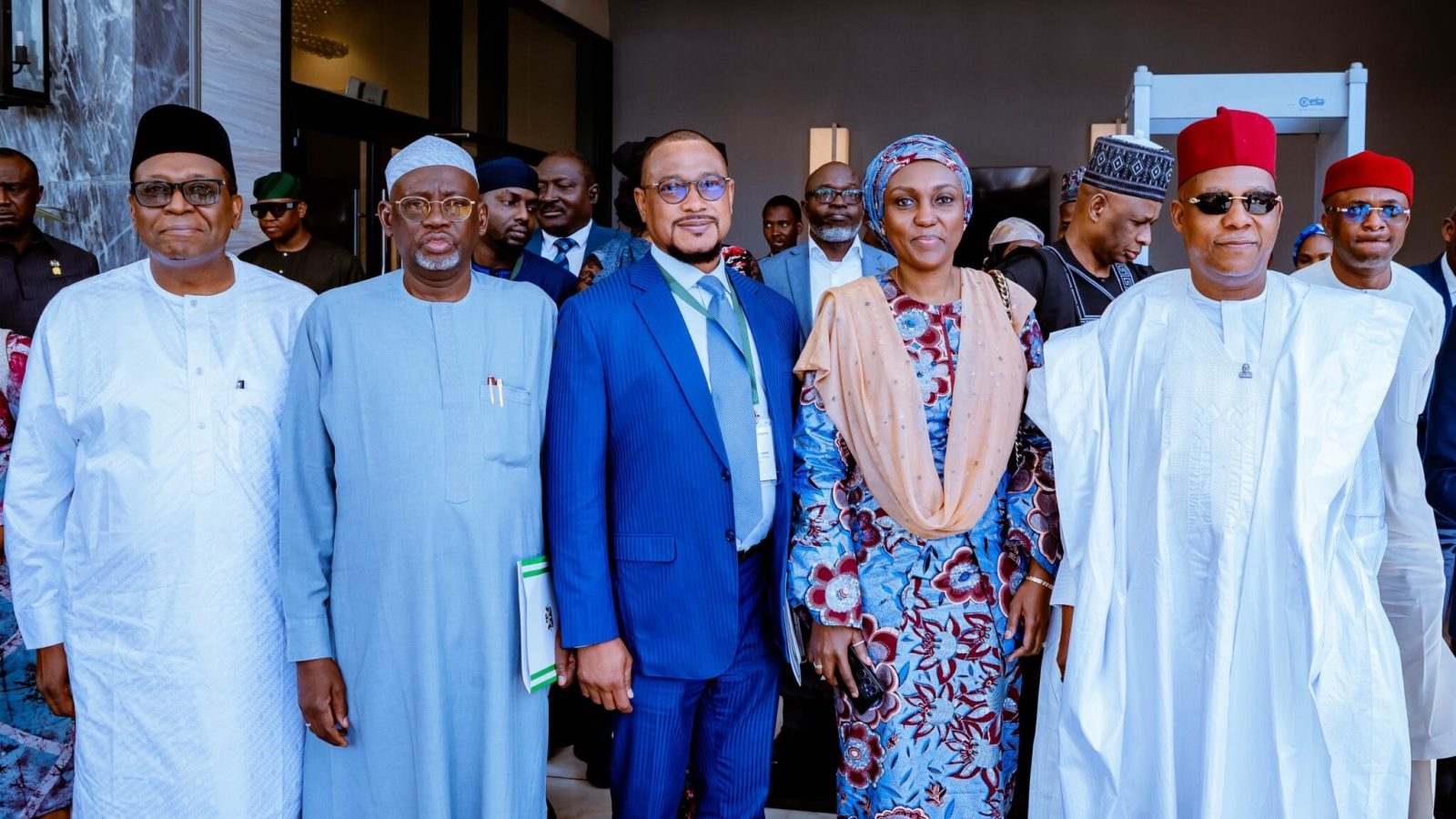
The commitment was made during the Nigeria–Ethiopia Nutrition Leadership Exchange in Addis Ababa, where Nigerian governors and ministers explored lessons from Ethiopia’s efforts to combat malnutrition.
Osun State Governor Ademola Adeleke said Nigeria had recorded some progress but needed to intensify its efforts, particularly in protecting children under five and pregnant women.
Adeleke said he attended the exchange to learn from Ethiopia’s experience and identify approaches that could strengthen Nigeria’s nutrition programmes.
Abia State Governor Alex Otti said Nigeria should build on the experiences of countries that had made progress in reducing malnutrition rather than develop solutions without learning from existing models.
He stressed that nutrition was not limited to food availability, explaining that healthcare, education, agricultural development, climate challenges and poverty reduction all influenced nutrition outcomes.
Otti said addressing these connected issues would be necessary to achieve lasting improvements in the health and well-being of Nigerians.
Zamfara State Governor Dauda Lawal highlighted insecurity as a major obstacle to food access and nutrition in his state, which has traditionally been known for agricultural production.
According to Lawal, insecurity has made it increasingly difficult for vulnerable households to access adequate food, worsening the challenges facing communities.
He said the state was working to align its programmes with federal initiatives while adapting interventions to its specific circumstances.
Jigawa State Governor Umar Namadi also pointed to Ethiopia’s experience under the Seqota Declaration as a useful model for Nigeria’s Nutrition 774 Initiative.
Namadi said effective implementation would require taking nutrition programmes beyond the national and state levels to local governments, wards, communities and individual households.
He noted that Jigawa had introduced complementary programmes, including the Masaki initiative and a Tom Brown nutrition programme, which has trained about 600 women to prepare nutritious food for children.
Coordinating Minister of Health and Social Welfare Muhammad Pate described nutrition as a key component of human capital development, stressing that government institutions and communities must work together to address the problem.
Pate said Nigeria had made progress through national interventions and community-based programmes but needed to accelerate implementation and strengthen coordination among the relevant sectors.
He added that Nigeria and Ethiopia would develop a roadmap based on lessons from the leadership exchange, expressing confidence that sustained action over the next four to five years could produce significant improvements, particularly for children.
Minister of Education Maruf Alausa emphasised the importance of addressing nutritional needs from pregnancy through early childhood, describing the first 2,000 days as a critical period for development.
He said the Nutrition 774 agenda was intended to extend interventions from the Federal Government to states, local governments and communities nationwide.
Minister of Water Resources and Sanitation Joseph Utsev also stressed the relationship between nutrition, clean water, sanitation and agricultural productivity.
Utsev said reliable water supplies were essential for drinking, maintaining proper sanitation and supporting irrigation, which could improve food production and contribute to better nutrition outcomes.
The renewed commitment by federal and state authorities highlights the need for a coordinated approach to malnutrition, with implementation reaching households and vulnerable communities. The success of the initiative will depend on how effectively governments translate their commitments into accessible services and sustained action across the country.