

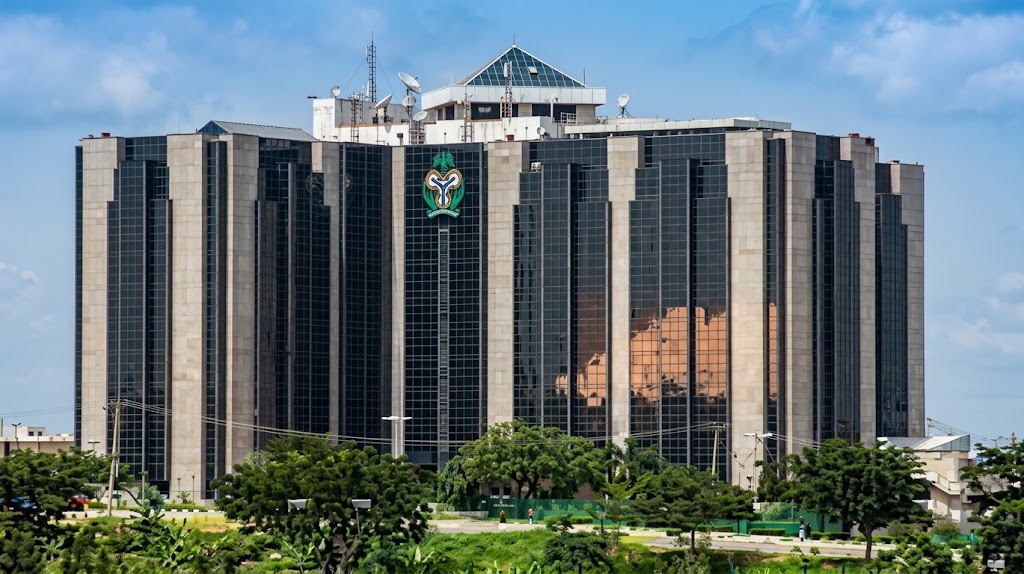
The Central Bank of Nigeria (CBN) has reduced its Monetary Policy Rate (MPR) by 350 basis points, bringing the benchmark interest rate down from 26.5 per cent to 23 per cent.
The decision was reached at the 307th meeting of the Monetary Policy Committee (MPC) held in Abuja, with 11 members participating in the meeting.
The latest reduction comes after the committee maintained the MPR at 26.5 per cent during its July 2026 meeting.
Alongside the rate cut, the MPC adjusted the Standing Facilities Corridor while leaving the existing Cash Reserve Requirement (CRR) for banks and certain public sector deposits unchanged.
Under the new arrangement, Deposit Money Banks will continue to maintain a 45 per cent CRR, while Merchant Banks will retain a 16 per cent requirement. The CRR for non-TSA public sector deposits also remains at 75 per cent.
The MPC recalibrated the Standing Facilities Corridor to +50/-300 basis points around the new 23 per cent MPR. This means the Standing Lending Facility now stands at 23.5 per cent, while the Standing Deposit Facility is 20 per cent.
The CBN’s decision comes against the backdrop of easing inflation. Data from the National Bureau of Statistics showed that Nigeria’s headline inflation rate stood at 15.39 per cent in August 2026.
The latest MPR is therefore 7.61 percentage points above the reported August inflation rate.
The reduction in the benchmark rate could affect borrowing costs, bank lending, investment and broader economic activity as the CBN seeks to improve the transmission of monetary policy across the economy.
The unchanged CRR requirements mean banks will continue to keep the specified proportions of customer deposits as reserves with the CBN despite the reduction in the benchmark interest rate.
The MPC’s latest decision marks a significant shift from the 26.5 per cent rate maintained at its previous meeting and represents the latest adjustment to Nigeria’s monetary policy framework.