

Middle East tensions continue to rise as the United States and Iran negotiate a proposed 60-day truce extension while Israel intensifies military strikes in southern Lebanon, fueling fears of wider regional instability and global economic disruption.
As diplomatic negotiations continue between the United States and Iran over a proposed 60-day truce extension, tensions across the Middle East remain dangerously high following intensified Israeli military operations in southern Lebanon.
The fragile negotiations, which are aimed at preventing a wider regional war, come amid growing fears that ongoing clashes involving Iran, Israel, Hezbollah, and Lebanon could further destabilize the region and disrupt global energy markets.
US and Iran Push for Temporary Truce Extension
According to multiple international reports, Washington and Tehran have reportedly reached a preliminary memorandum of understanding that could extend the current ceasefire arrangement for another 60 days. However, the agreement is still awaiting final approval from US President Donald Trump.
The proposed extension is expected to create room for broader negotiations involving Iran’s nuclear program, sanctions relief, and security concerns surrounding the Strait of Hormuz — one of the world’s most important oil shipping routes.
Officials familiar with the discussions say negotiations remain sensitive, with disagreements still existing over uranium enrichment limits, maritime security, and economic concessions.
Iranian authorities have maintained that while discussions are ongoing, no final agreement has been formally confirmed.
Israel Intensifies Military Operations in Lebanon
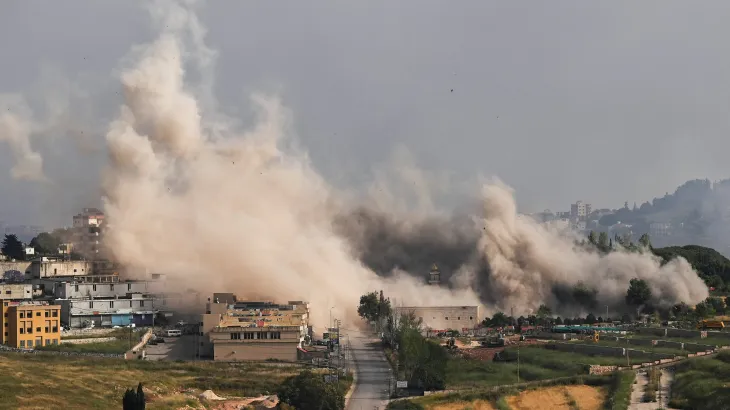
At the same time, Israel has expanded military operations against Hezbollah positions in southern Lebanon, significantly increasing regional tensions.
Recent reports indicate that Israeli forces crossed beyond the Litani River as part of an expanded offensive targeting Hezbollah fighters and infrastructure. Airstrikes have also reportedly hit several locations in southern Lebanon and parts of the Bekaa Valley.
The escalation has triggered renewed humanitarian concerns, with thousands reportedly displaced and civilian casualties continuing to rise in affected areas.
Lebanese officials have condemned the attacks, warning that the situation risks pushing the region into a deeper and more prolonged conflict.
Ceasefire Efforts Under Pressure
Although ceasefire agreements between Israel and Lebanon were previously extended through US-mediated talks, recent military activities have raised concerns about the stability of those arrangements.
Diplomatic efforts involving the United States, Qatar, Oman, and other regional actors are ongoing as international leaders attempt to prevent the crisis from spiraling further.
Analysts say the situation remains highly unpredictable, especially as military confrontations continue alongside diplomatic negotiations.
Global Economic Concerns Grow
The Middle East crisis is also generating concern across international markets, particularly in the energy sector.
Any disruption around the Strait of Hormuz could significantly affect global oil supply chains, leading to higher fuel prices and economic pressure worldwide.
Investors and governments are therefore closely monitoring developments in the region, with fears that prolonged instability could worsen inflation and increase geopolitical uncertainty globally.
World Watches Closely
As negotiations continue and military operations intensify, the Middle East remains at the center of global attention.
Observers warn that while diplomatic channels remain open, the combination of ongoing violence, fragile ceasefires, and unresolved political tensions continues to pose serious risks to regional stability and international security.