
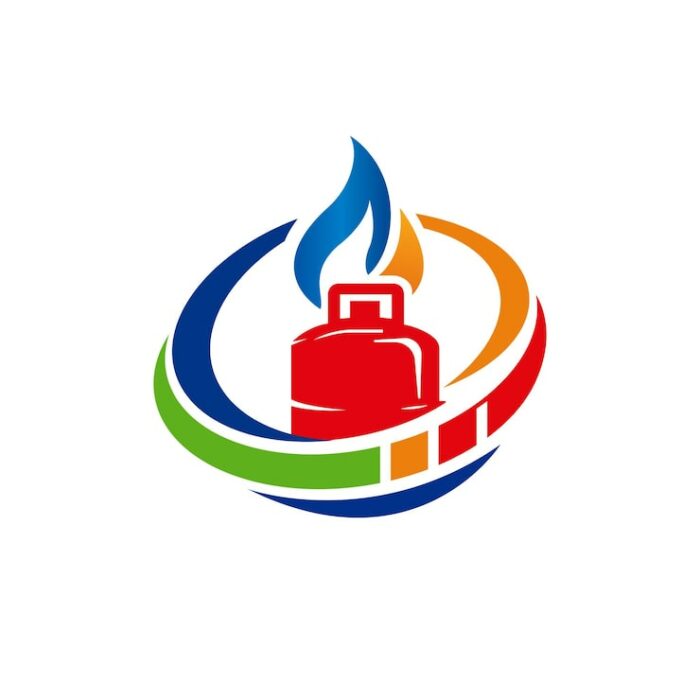
Nigeria has launched the National Cylinder Recirculation Programme (NCRP), a new initiative designed to improve cooking gas cylinder safety, strengthen digital tracking and expand access to cleaner household energy.
The programme is being led by the Standards Organisation of Nigeria (SON) in partnership with the Nigerian Midstream and Downstream Petroleum Regulatory Authority (NMDPRA), the National Council on Climate Change (NCCC) and key industry stakeholders.
It aims to address safety risks associated with expired, damaged, uncertified and poorly maintained Liquefied Petroleum Gas (LPG) cylinders through a coordinated system of registration, inspection, requalification and controlled recirculation.
Speaking on the initiative, SON Director-General and Chief Executive Officer, Dr Ifeanyi Chukwunonso Okeke, said safe cooking gas usage requires strict compliance with quality standards, responsible handling and effective monitoring throughout the supply chain.
He explained that the programme would combine regulatory oversight with digital traceability to protect lives and property while improving public confidence in LPG as a household energy source.
A key component of the NCRP is the National Cylinder Registry, which will assign unique digital identities to gas cylinders, allowing their movements and safety status to be tracked from registration and inspection to filling, distribution and exchange.
Under the system, cylinders entering the programme will be assessed at authorised requalification facilities. Those that meet the required safety standards will be approved for continued use, while cylinders that fail inspection will be withheld for corrective action or disposal.
Consumers will also be able to exchange their existing cylinders through approved retailers. The collected cylinders will then be sent for inspection and requalification, helping to gradually remove unsafe products from circulation and improve access to compliant alternatives.
Beyond consumer protection, the initiative is expected to create opportunities for local cylinder manufacturing, inspection services, logistics, distribution and other businesses across Nigeria’s gas value chain.
The programme is also intended to attract private investment, expand requalification facilities and generate employment as the Federal Government pursues its Decade of Gas agenda and efforts to increase domestic gas consumption.
Dr Bekeme Olowola, Lead Programme Director of the NCRP Secretariat and Managing Director of FuelTree, said the initiative goes beyond digital identification, describing it as a national system designed to connect regulators, manufacturers, marketers, retailers and requalification facilities.
She added that the programme could support investment and job creation while providing a framework for measuring environmental benefits and attracting international climate finance.
The initiative also supports Nigeria’s clean cooking objectives by encouraging households to move away from traditional fuels such as firewood, charcoal and kerosene.
Wider adoption of LPG could reduce exposure to harmful household smoke and ease pressure on forest resources. The programme’s digital infrastructure is also expected to help collect data for assessing environmental benefits.
According to the programme’s organisers, the initiative could potentially generate carbon credits, subject to applicable methodologies, independent verification and regulatory approval. Such financing could help subsidise cylinder access, improve affordability for vulnerable households and encourage wider adoption of cleaner cooking alternatives.
Industry operators are also expected to play a major role in implementing the programme. Better Gas, which operates a cylinder-exchange model and micro-distribution network in Abuja, is among the participating commercial operators.
The company’s General Manager, Bolaji Orofinlu, said reliable supply systems and retail partnerships would be essential to improving last-mile access to safe cylinders.
Meanwhile, the Nigerian Association of Liquefied Petroleum Gas Marketers (NALPGAM) has stressed the need to withdraw obsolete cylinders from circulation.
The association’s Executive Secretary, Bassey Essien, said gas cylinders have a limited service life and should be removed from use once they exceed the prescribed period.
The programme draws on the SON Act No. 14 of 2015 and relevant government directives on cylinder safety, quality assurance and traceability. Its implementation involves stakeholders across the industrial, petroleum and environmental sectors.
Following its unveiling at a press conference in Lagos, the programme is expected to proceed with stakeholder registration, digital registry integration and phased implementation across Nigeria’s six geopolitical zones.
Its national unveiling is scheduled for October 28–29, 2026, in Abuja, alongside the Nigeria Clean Cooking Forum 2026.
The organisers also plan to present the initiative at the 31st United Nations Climate Change Conference (COP31) in Antalya, Türkiye, to showcase Nigeria’s approach to cylinder safety, clean cooking and potential climate financing.
The programme is expected to strengthen safety standards in the domestic gas industry while supporting investment, economic development and the Federal Government’s broader clean energy objectives.