

The United Nations Office on Drugs and Crime (UNODC) has warned that terrorist groups deliberately use sexual and gender-based violence to intimidate, punish and control victims, with devastating consequences for individuals and entire communities.
The UNODC Country Representative, Cheikh Toure, gave the warning at the Second Expert Group Meeting on the Development of a Toolkit for First Emergency Responders in Cases of Sexual and Gender-Based Violence Linked to Terrorism, held in Abuja.
Toure said women, girls, men and boys were all vulnerable to such crimes, with terrorist groups often targeting communities based on their religion, ethnicity or political identity.
He noted that the consequences of sexual violence frequently persist long after attacks have ended, leaving survivors struggling with stigma, displacement and limited access to healthcare, protection and justice.
“The harm does not end when an attack is over. Its consequences can endure for years, compounded by stigma, displacement and barriers that prevent survivors from accessing the care and justice they deserve,” he said.
Toure cited the April 2014 abduction of 276 schoolgirls from Chibok, Borno State, by Boko Haram as a stark example of the use of sexual violence in terrorism.
He explained that the abduction led to cases of forced marriage and sexual enslavement, demonstrating how such crimes could form part of a deliberate strategy to spread fear and weaken communities.
According to him, the problem cuts across religions, ideologies and terrorist organisations, making it necessary for the proposed toolkit to draw lessons from different experiences while prioritising the rights, safety and dignity of survivors.
The UNODC representative also highlighted international efforts to address the problem, including United Nations Security Council Resolution 2331 of 2016, which recognised the links between sexual violence, trafficking and terrorism, and Resolution 2467 of 2019, which emphasised a survivor-centred approach to conflict-related sexual violence.
However, he said translating these international commitments into effective action remained a challenge, stressing the need for countries to incorporate the guidance into their national systems.
Toure urged Nigeria to demonstrate the political will required to implement the proposed measures and ensure survivors across the country’s 36 states receive appropriate support.
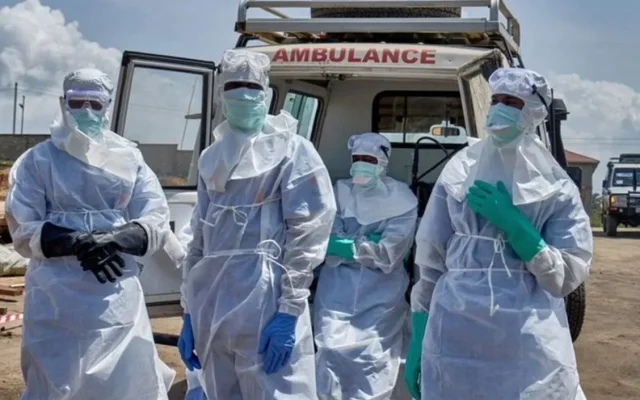
He further emphasised the importance of training first emergency responders, who often operate in dangerous environments with limited resources and competing demands during and after terrorist attacks.
He warned that under such conditions, signs of sexual violence could be overlooked, evidence lost and survivors left without the protection and assistance they need.
Also speaking at the meeting, the National Security Adviser, Mallam Nuhu Ribadu, said sexual and gender-based violence could leave survivors with lasting physical injuries, psychological trauma, social stigma and difficulties rebuilding their lives. He added that families and communities also suffered the consequences.
Ribadu, who was represented by the National Coordinator of the National Counter Terrorism Centre, Major General Adamu Laka, said the safety and dignity of survivors must remain central to every response.
He noted that the first interaction between a survivor and an emergency responder could influence the person’s willingness to seek further medical care, trust public institutions and begin the recovery process.
According to him, first responders play a crucial role in identifying possible cases of sexual violence, receiving disclosures and connecting survivors to medical care, protection services and other specialised support.
Ribadu said the proposed toolkit would provide practical guidance to help responders manage such cases effectively, strengthen survivor protection and preserve relevant information that could support investigations.
He stressed that urgent medical attention, privacy, dignity and appropriate referrals must guide the initial response, while responders should recognise the limits of their responsibilities and seek specialist assistance when necessary.
The meeting forms part of broader efforts to strengthen responses to sexual and gender-based violence linked to terrorism, improve support for survivors and ensure that emergency interventions do not expose victims to further harm.