
The United States and Iran have exchanged fresh attacks on ships and military targets, intensifying hostilities after weeks of relative calm and raising renewed concerns over the security of the strategically important Strait of Hormuz.
The US military said it had disabled or destroyed three Iran-linked oil tankers on Saturday, including one near Kharg Island and two in the Gulf of Oman. US Central Command (CENTCOM) said the vessels were connected to a financial network supporting Iran’s Islamic Revolutionary Guard Corps (IRGC) and its regional allies.
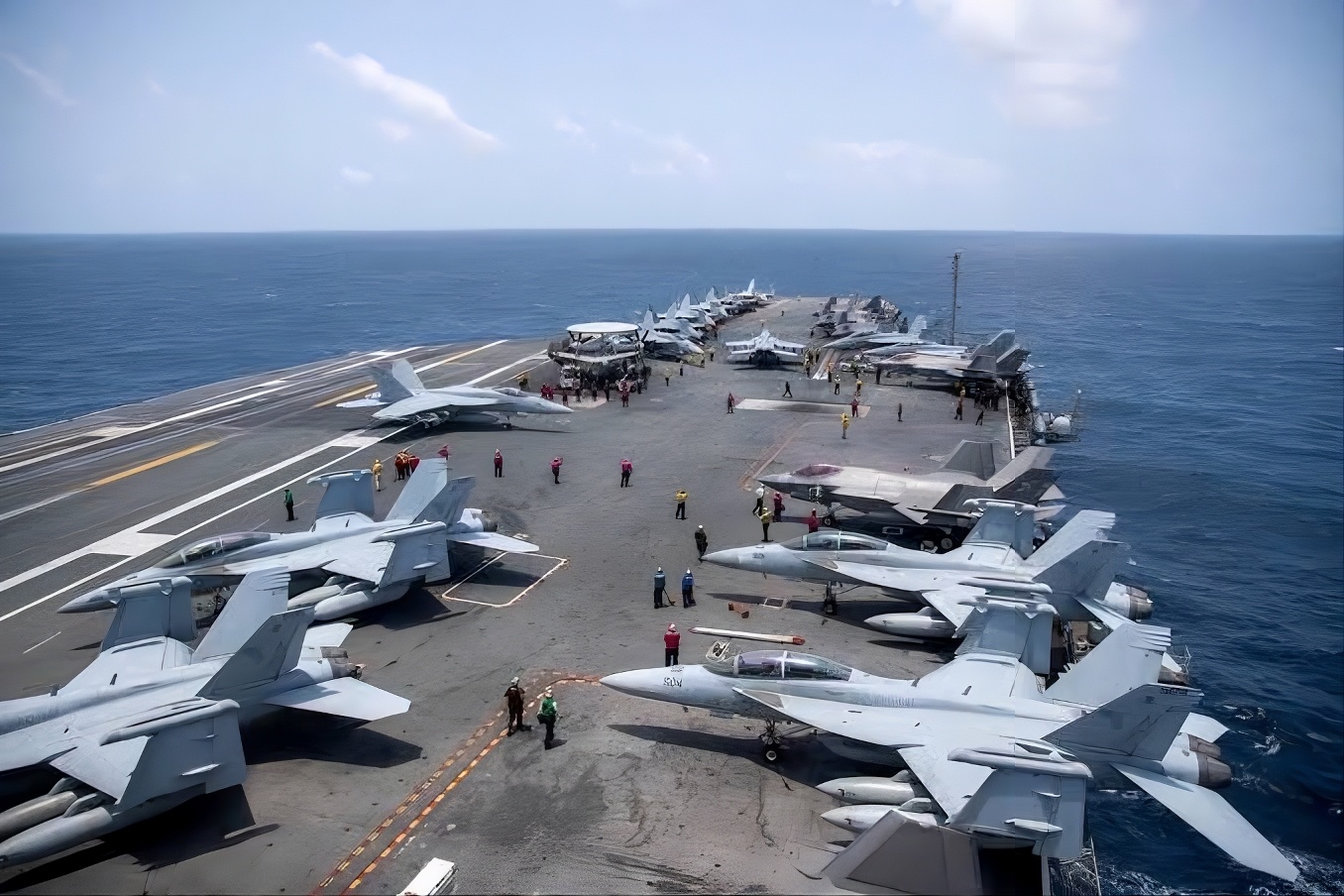
The American strikes followed what CENTCOM described as attacks by Iranian forces against two US warships. According to the command, the vessels successfully evaded the ballistic missile attacks, with no American casualties reported.
Iran subsequently claimed responsibility for attacks against several vessels in the region. Iranian state media reported that the IRGC targeted three oil tankers travelling through the Strait of Hormuz and three other vessels it described as affiliated with the United States. The claims have not been independently verified.
The latest exchange comes amid heightened tensions surrounding the Strait of Hormuz, a major global energy corridor. The waterway previously carried about 20% of the world’s oil and liquefied natural gas supplies and has become a key point of leverage in the conflict.
Iran has warned vessels against using routes it considers unauthorized. At the same time, the United States has maintained that the strait remains open and has assisted ships using a southern route through Omani waters.
The confrontation has also affected global energy markets. Oil prices rose sharply after news of the attacks, with Brent crude climbing above $99 a barrel as traders assessed the potential impact of prolonged disruption around the Gulf.
US Defence Secretary Pete Hegseth warned that Washington would respond forcefully if Iranian forces continued attacking American ships. Secretary of State Marco Rubio similarly warned that Iran could continue losing oil tankers if it maintains attacks on US vessels.
The current escalation follows the collapse of a 60-day ceasefire between Washington and Tehran. Fighting resumed after a period of relative calm, with the United States and Iran launching fresh attacks on military and maritime targets across the region.
The United States and Israel launched extensive attacks on Iran on February 28, prompting Iranian retaliation against Israel, US military positions and allied states in the Gulf.
Despite the renewed violence, President Donald Trump has described the confrontation as a limited military conflict and suggested that it would not continue indefinitely. However, the latest attacks indicate that tensions remain high, with further disruption to shipping and energy supplies posing a growing regional and global concern.